What is Diverted Neutral Current
Understanding electrical safety hazards in PME systems
What is a PEN conductor
A Protective Earth and Neutral (PEN) conductor is a single conductor that performs both the neutral and protective earth functions within a TN‑C‑S earthing arrangement, which forms the basis of most UK low‑voltage Protective Multiple Earthing (PME) networks.
In practice, PEN conductors are implemented either as:
- A single overhead conductor carrying both functions, or
- Part of a concentric cable, where multiple copper wires wound around the live cores provide the combined neutral/earth path
Critical Safety Note: Because the PEN conductor is responsible for both protective earthing and the neutral return, any damage or break in this conductor can cause dangerous voltages to appear on exposed conductive parts, creating a significant electric shock risk.
Understanding PME (Protective Multiple Earthing)
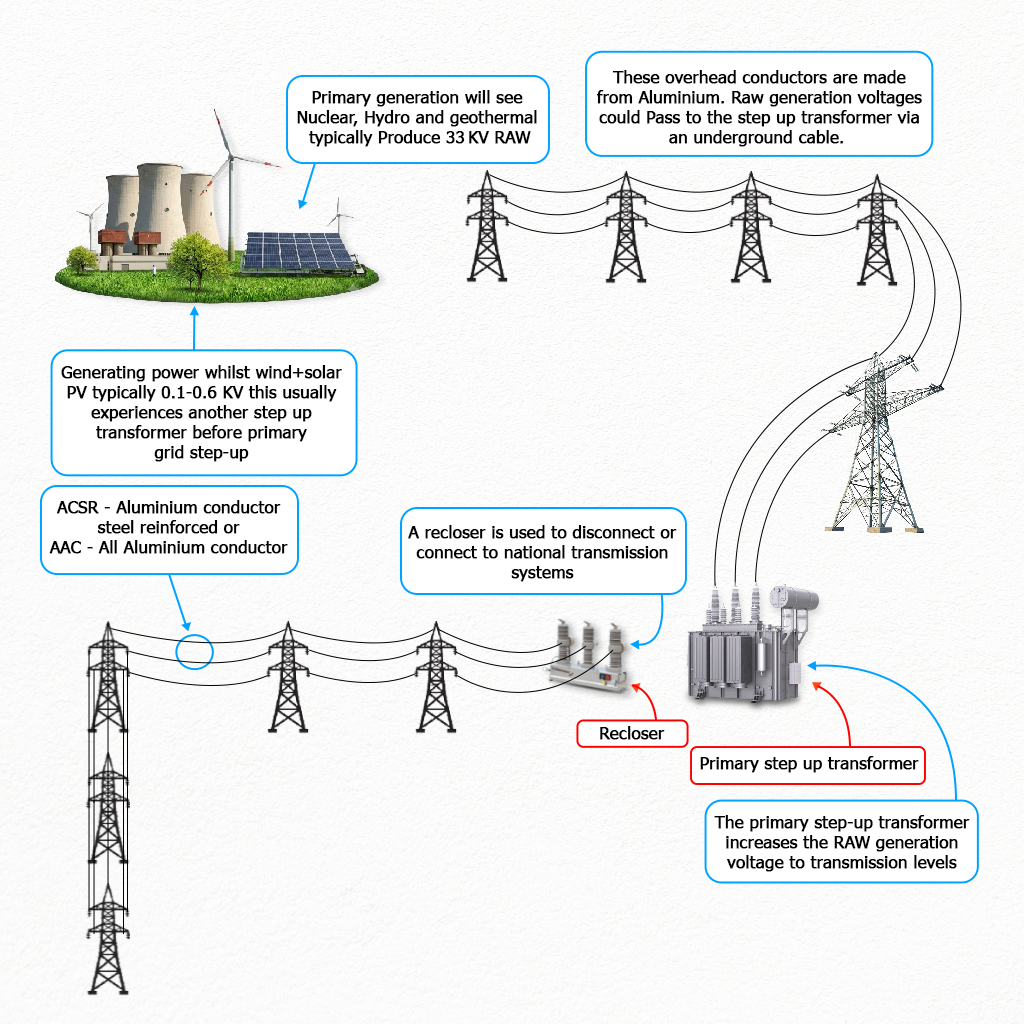
PME is the distribution method that supports this arrangement. It is a type of TN‑C‑S system in which the supply neutral is earthed at multiple points between the distribution transformer and the customer’s installation. This repeated earthing keeps the overall resistance to earth low and helps maintain supply reliability, which is why UK Distribution Network Operators (DNOs) use PME extensively.
PME Networks and Alternative Earthing Paths
PME (Protective Multiple Earthing) networks operate on the principle of multiple neutral-earth connections along the low voltage distribution network. This system maintains low impedance in normal operation. However, several conditions can lead to unintended diverted neutral currents (DNC) or excessive net currents (NET).
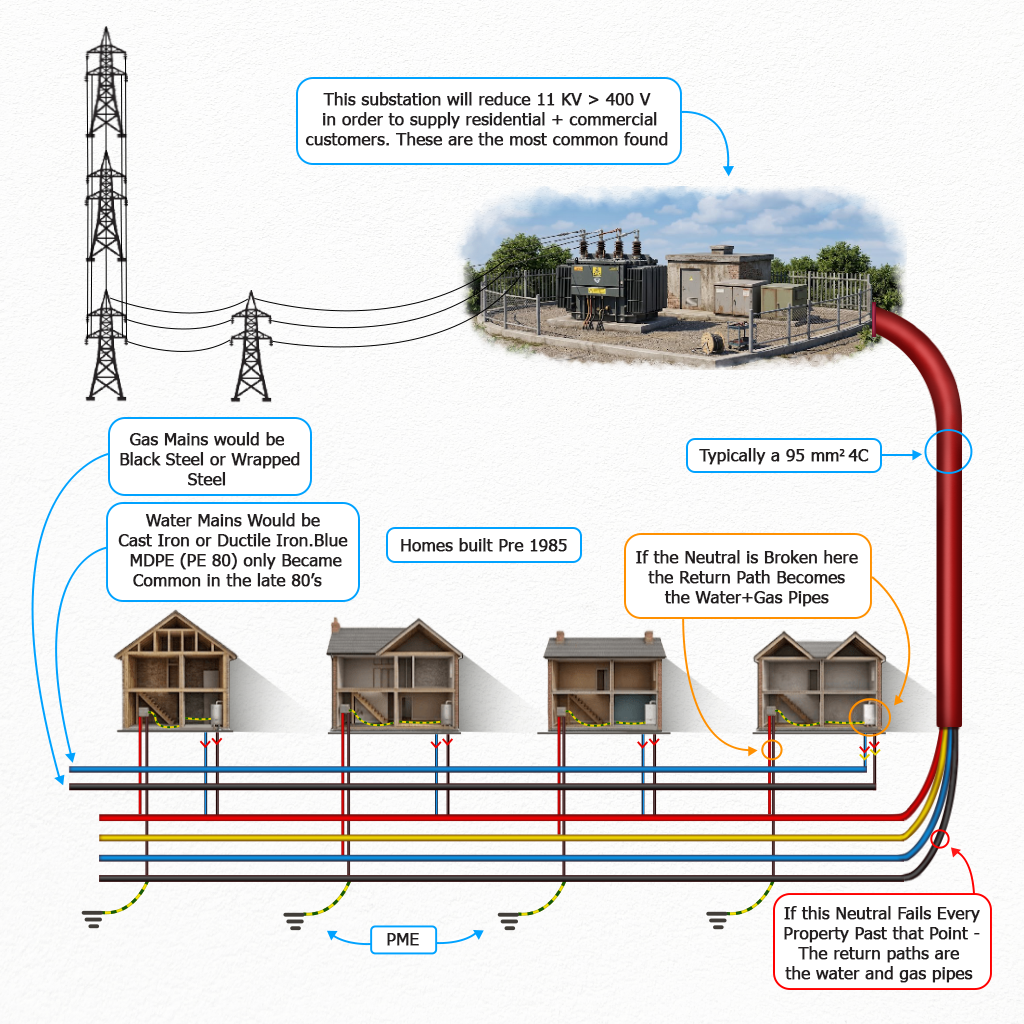
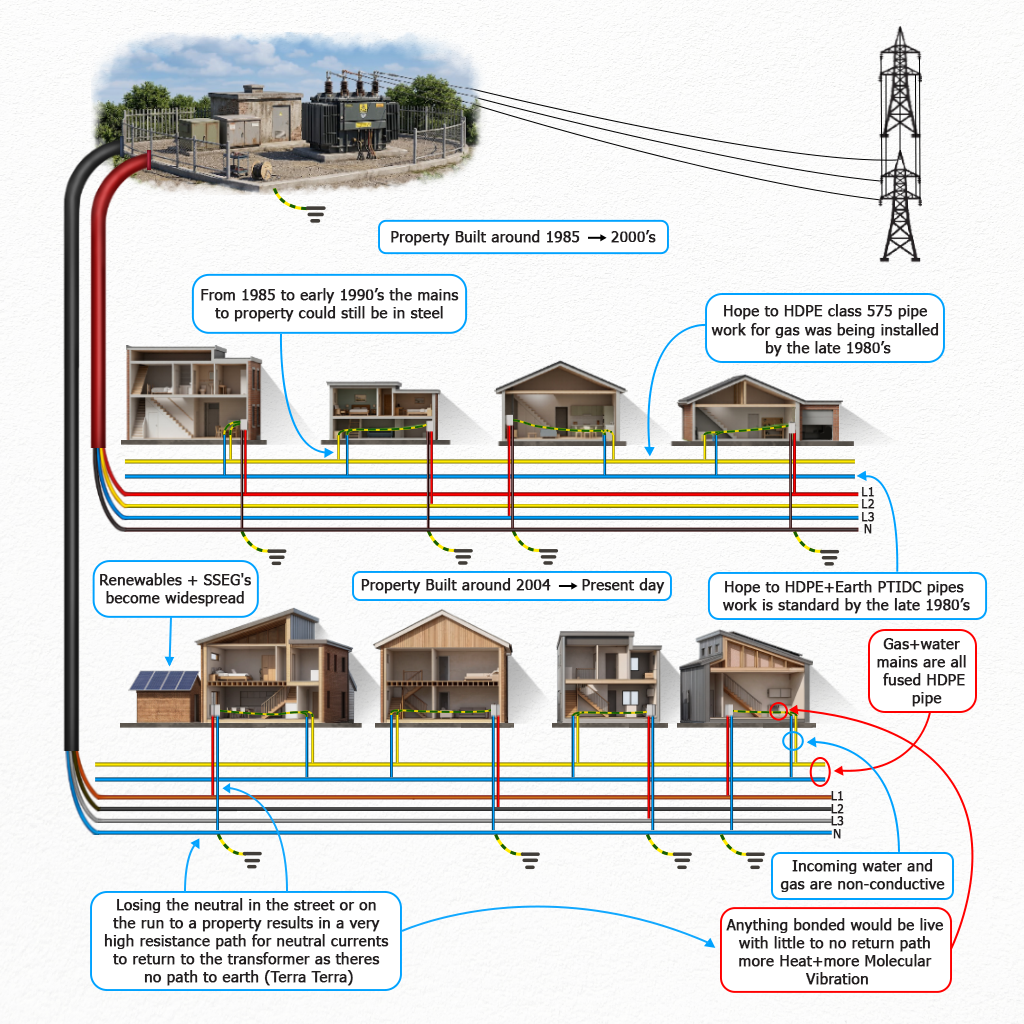
In a healthy PME system, neutral current flows back to the substation transformer through the dedicated neutral conductor. However, in fault conditions or high-impedance neutral connections, current may flow through alternative return paths such as:
- Metallic water and gas pipes
- Building steel structures
- Earthing systems shared between properties
- Bonding to adjacent properties or outbuildings
Important: When alternative return paths are used, DNC and NET currents can develop, posing electrical safety risks and system inefficiencies.
The Main Earthing Terminal (MET)
Within a customer’s installation, the Main Earthing Terminal (MET) is connected directly to the supply neutral, and protective bonding conductors link the MET to metallic services such as water and gas pipes. This bonding ensures that all accessible metalwork remains at a similar potential, reducing the risk of dangerous voltage differences under fault conditions.
What are NET currents
Net current (often referred to as NET) arises from the way low‑voltage supply cables are earthed in the UK. It is the main contributor to magnetic fields within homes and buildings. Some level of net current is normal, but elevated values usually indicate an underlying issue somewhere on the distribution network.
NET Losses vs. DNC/NDC
On the supply side, any neutral current that does not return via the intended path is referred to as “net” losses. Once that same phenomenon enters a customer’s fixed installation, electrical installers refer to it as DNC/NDC (Diverted Neutral Current / Neutral Diverted Current).
Important Distinction
DNC/NDC should not be confused with normal installation leakage or protective conductor currents. Instead, DNC represents neutral current from the distribution network that is returning through unintended paths, typically due to:
- Multiple connections to earth
- High‑resistance neutral joints
- A partially broken neutral on the supply network
Common Causes of Elevated NET Current
Elevated net current typically results from:
- Poor or altered network design
- Ageing infrastructure
- LV distribution faults
- High‑impedance neutrals
- Failing joints
- Other network‑related defects
ENA Research Findings
Research by the Energy Networks Association (ENA) shows that the most frequent root causes of high net current are high‑impedance neutrals, broken neutrals, or diverted neutral currents flowing through a building. In 2013, the ENA reported an average net current value of 3.6 A across surveyed installations.
Understanding the Risk
A high net current reading does not automatically confirm a broken neutral, as it may simply reflect increased impedance on the supply neutral. However, the risk is not determined by current alone but by the voltage rise that can occur if the PEN or neutral conductor deteriorates.
Warning: Excessive current beyond what would be expected from normal installation leakage can act as an early warning sign of a failing PEN conductor, where voltages may rise to hazardous levels capable of causing electric shock or thermal damage, including fire.
Neutral current diversion v diverted neutral current
The terms Neutral Current Diversion (NCD) and Diverted Neutral Current (DNC) describe the same underlying phenomenon, but each term reflects a different point of view.
Network Side Perspective
Neutral Current Diversion (NCD)
Used by DNOs and utilities, this term describes how supply neutral current is being diverted into unintended parallel paths such as:
- Metallic pipework
- Structural steel
- Other bonded conductive routes
Installation Side Perspective
Diverted Neutral Current (DNC)
Used by electricians and end users, this term describes how unwanted neutral current is entering the installation from external sources instead of returning along the intended neutral conductor.
Key Takeaway: Whether referred to as NCD or DNC, both terms identify the same electrical safety issue: neutral current flowing through paths it was never designed to use, creating potential shock hazards and operational problems.
PEN fault
Diverted Neutral Current (DNC) and Net Currents (NET) introduce a range of electrical safety hazards that can escalate quickly if not identified and addressed. These risks include electric shock, fire, equipment damage, and broader power‑quality issues.
Electrical Shock Hazards
One of the most serious dangers linked to DNC and NET is the potential for electric shock. When neutral current diverts into unintended paths, conductive parts that should remain at earth potential can become energised. This may occur in:
- Metallic water and gas pipework
- Structural steelwork within buildings
- Appliance casings and bonded enclosures
Warning Signs of Shock Risk:
- Sparks or shocks when touching metalwork connected to the installation’s earth
- Unexpected voltage differences between bonded metalwork and true earth
- Unusual heating of bonding conductors, indicating diverted neutral current flow
Fire Risks and Overheated Conductors
DNC and NET can also create significant fire hazards due to excessive heating in conductors and unintended current paths.
Common DNC/NET Current Hazards:
- Overheating of protective bonding conductors, leading to insulation breakdown and potential ignition
- Elevated temperatures in neutral conductors, particularly in TN‑C‑S systems with high NET currents
- Burn marks or heat damage on enclosures or distribution boards caused by diverted currents
💥 Critical Concern: Diverted neutral current flowing through metallic water or gas pipework can cause thermal expansion, joint failure, or in extreme cases gas leaks.
Equipment Damage and Power‑Quality Issues
Beyond safety concerns, DNC and NET can severely impact power quality and lead to premature equipment failure.
📉 How Power Quality is Affected:
- Voltage fluctuations from unbalanced loads can cause sensitive equipment such as servers, industrial controls, and medical devices to malfunction
- Harmonic distortion associated with diverted neutral currents can impair transformer performance and increase system losses
- Excessive neutral‑to‑earth current may cause unexplained tripping of RCDs and other protective devices
🎯 Equipment Particularly at Risk:
💡 LED lighting systems – prone to early failure under unstable voltage conditions
💻 Computers and telecoms equipment – vulnerable to harmonic interference and voltage instability
🚗Electric Vehicle (EV) chargers – especially sensitive in PME systems where fluctuating neutral currents can cause damage
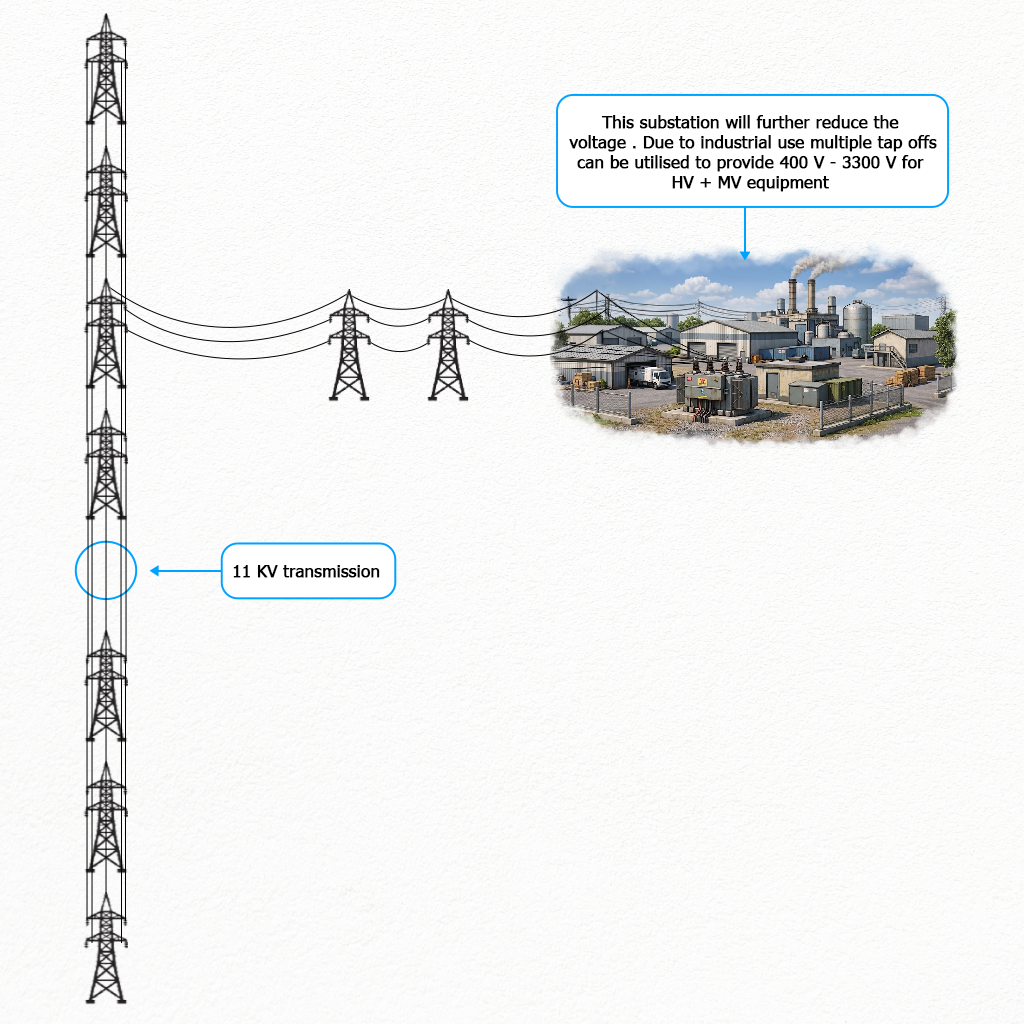
Indicators of NET currents
Net currents (NET) arise from unbalanced loads, supply network issues, or faults within an installation. Although some NET current is inherent in normal electrical distribution, excessive levels usually indicate a deeper problem that requires investigation.
Unbalanced Loads in Three‑Phase Systems
One of the most common causes of NET current is an unbalanced load on a three‑phase supply. In an ideally balanced system, the currents in all three phases cancel out, meaning the neutral carries very little current. In reality, loads are often unevenly distributed, which leads to:
- Increased neutral current and a higher likelihood of NET currents
- Voltage fluctuations and harmonic distortion affecting sensitive equipment
- Possible overheating or overloading of the neutral conductor
Typical indicators of unbalanced loading include:
- Neutral currents higher than expected when measured with a clamp meter
- Noticeable voltage differences between phases
- Flickering lighting or unstable electronic equipment
High Harmonic Content and Parallel Neutral Paths
NET currents can also be intensified by harmonics, which are produced by non‑linear loads such as:
💡 LED lighting and electronic ballasts
⚙️ Variable speed drives (VSDs)
🖥️ Switch‑mode power supplies used in IT and telecoms equipment
Harmonic currents contribute to NET issues by:
- Increasing neutral current even when phase loads appear balanced
- Causing excessive heating in neutral conductors and bonding systems
- Raising neutral‑to‑earth voltage differences
Signs of high harmonic content include:
- Significant neutral current despite apparently balanced loads
- Elevated electromagnetic interference (EMI)
- Overheating of neutral conductors or transformer neutral points
Poor Earthing and Bonding Practices
In some installations, particularly older ones, NET currents can be the result of incorrect or outdated earthing and bonding arrangements. Poor bonding, missing connections, or legacy wiring practices can create unintended parallel paths for neutral current, increasing NET levels and masking underlying supply issues.
Common DNC scenario's
Diverted Neutral Current can manifest in various real-world scenarios. Understanding these common situations helps identify and address DNC issues effectively.
🏠 Domestic Properties
Installers may observe significant current flowing in the main bonding conductors
Occupants may report mild shocks when touching metallic sinks, taps, or pipework, particularly in older properties with legacy PME connections
🏢 Steel‑Framed Commercial Buildings
Large steel structures can unintentionally act as parallel return paths for neutral current
This can introduce electrical noise and electromagnetic interference (EMI), affecting IT, communications, and sensitive electronic systems
🚂 Railway Infrastructure
Rail stations supplied via TN‑C‑S systems can experience neutral current diversion through extensive station bonding networks
A unique condition known as bi‑directional net current may also occur, where traction return currents appear to flow back into the LV network
These effects can interfere with signalling integrity and increase risks for track workers who come into contact with bonded metallic structures
Poor practice leading to NET currents
Certain installation practices can create or exacerbate NET current problems. Identifying and correcting these issues is essential for maintaining electrical safety and system integrity.
Examples of Poor Practices That Lead to NET
- Inadequate main protective bonding between gas and water services and the Main Earthing Terminal (MET), allowing unintended parallel return paths to form
- Incorrectly terminated or loose neutral conductors, which can cause circulating currents to flow through metal enclosures and structural components
- Shared or compromised neutral/earth paths in PME systems, resulting in elevated NET currents and increased neutral‑to‑earth voltage differences
Indicators of Poor Earthing and Bonding
- Unexpected voltage differences measured between bonded metalwork and true earth
- Higher‑than‑normal currents detected in bonding conductors when checked with a clamp meter
- Intermittent shocks or tingles from exposed conductive parts, often signalling diverted neutral current or poor bonding integrity
Common Installation Issues That Lead to DNC and NET Problems
- Neutral loops in multi‑tenant buildings, which can create circulating currents between different distribution boards or risers
- Poorly maintained or deteriorated bonding connections, allowing extraneous conductive parts to unintentionally carry diverted neutral current
- Changes to supply arrangements made without notifying the Distribution Network Operator (DNO), resulting in unexpected parallel paths for neutral current and increased NET levels
DNO responsibility
The Distribution Network Operator (DNO) or Independent Distribution Network Operator (IDNO) is responsible for maintaining the integrity of the supply‑side neutral and earthing arrangements. Their duties include ensuring that PEN conductors remain safe, reliable, and compliant with industry standards.
Responsibilities of DNOs and IDNOs
Maintaining Network Integrity
- Preventing high‑impedance or open‑circuit PEN conductors through routine monitoring and maintenance
- Ensuring PME networks are inspected and maintained in line with ENA Engineering Recommendations G12 and G87
Responding to Reported Issues
- Electricians must report suspected broken neutrals or PEN faults using the national emergency number 105
- The DNO is responsible for assessing and repairing any defective supply cables promptly
Preventing Supply‑Induced Safety Hazards
- Under ESQCR Regulation 8(4), PEN conductors must not be taken inside a consumer’s installation
- Compliance with BS 7671 Regulation 543.4 is required to ensure PME connections are used safely and appropriately
Why Contacting the DNO Is Essential
When an electrical contractor identifies signs of diverted neutral current, excessive NET current, or a suspected broken PEN conductor, the issue must be reported immediately. Delaying or failing to report can lead to serious safety hazards, including:
⚡ Electric shock risks caused by elevated touch voltages
🔥 Fire hazards from overheated bonding conductors
💥 Equipment damage or malfunction due to voltage imbalance
How to Report Supply‑Side Neutral or Earthing Issues
- Call 105, the UK DNO emergency number, to report any suspected supply‑side neutral or earthing fault.
- Provide clear details of the symptoms, such as:
- Noticeable voltage fluctuations
- Current detected on bonding conductors
- Signs of a potential open‑circuit neutral (e.g., flickering lights, erratic appliance behaviour)
3. Ensure the installation remains isolated until the DNO has inspected and resolved the fault.
Important: If you suspect a DNO-related fault, contact 105 immediately. Do not attempt to work on DNO equipment yourself.