Diverted Neutral Current in High‑Rise Buildings
Understanding the unique fire risks in multi‑storey residential buildings
High‑rise residential buildings present a unique and critical risk profile when diverted neutral current is present in the electrical distribution system. The combination of vertical riser systems, multiple dwellings sharing common electrical infrastructure, and external building envelope materials creates conditions where a supply‑side neutral fault can escalate from an electrical anomaly to a life‑threatening fire event.
⚠️ Critical Context: In high‑rise buildings, diverted neutral current can simultaneously affect dozens or hundreds of dwellings, creating multiple ignition sources across multiple floors — a scenario that traditional fire safety planning may not adequately address.
The Vertical Distribution Problem
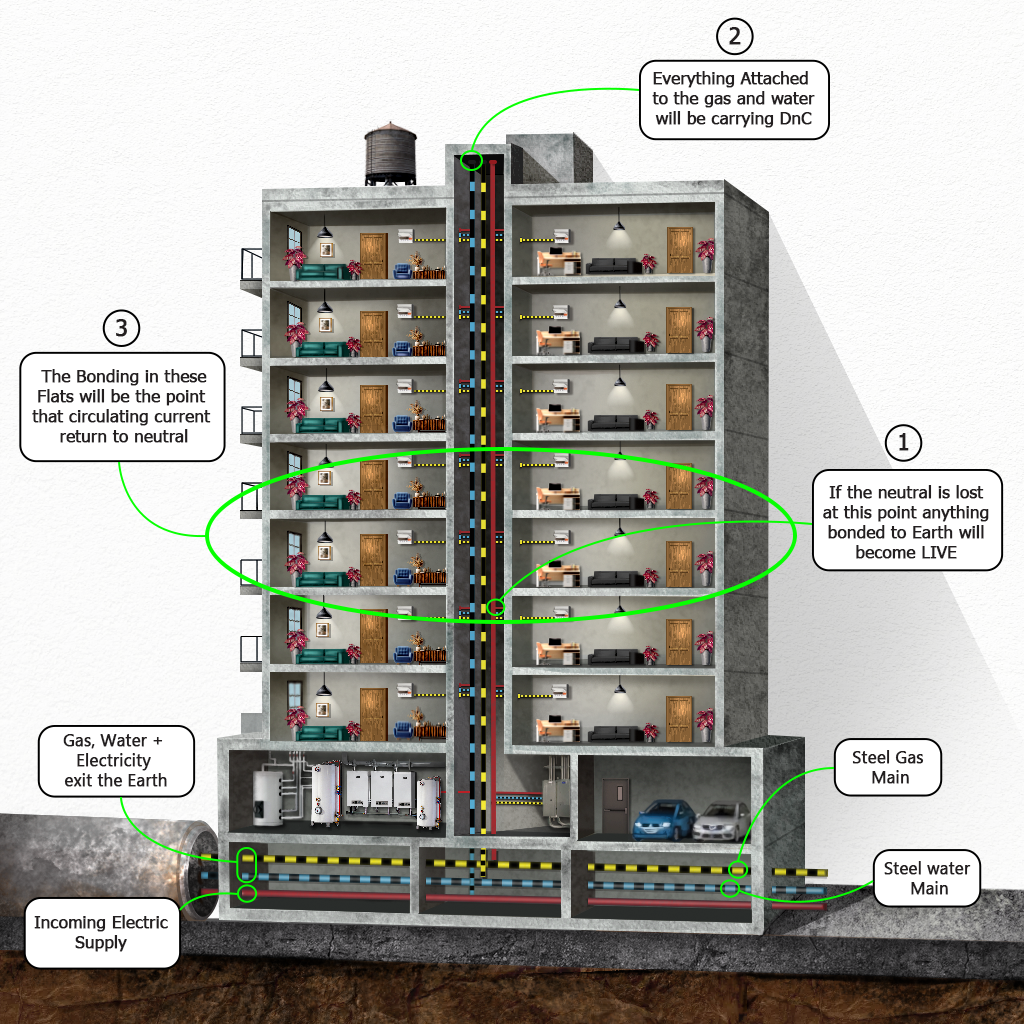
High‑rise buildings typically distribute electrical power through vertical risers — large conduits running from the basement or ground floor intake position up through the building, with tap‑off points serving individual flats or apartments on each floor.
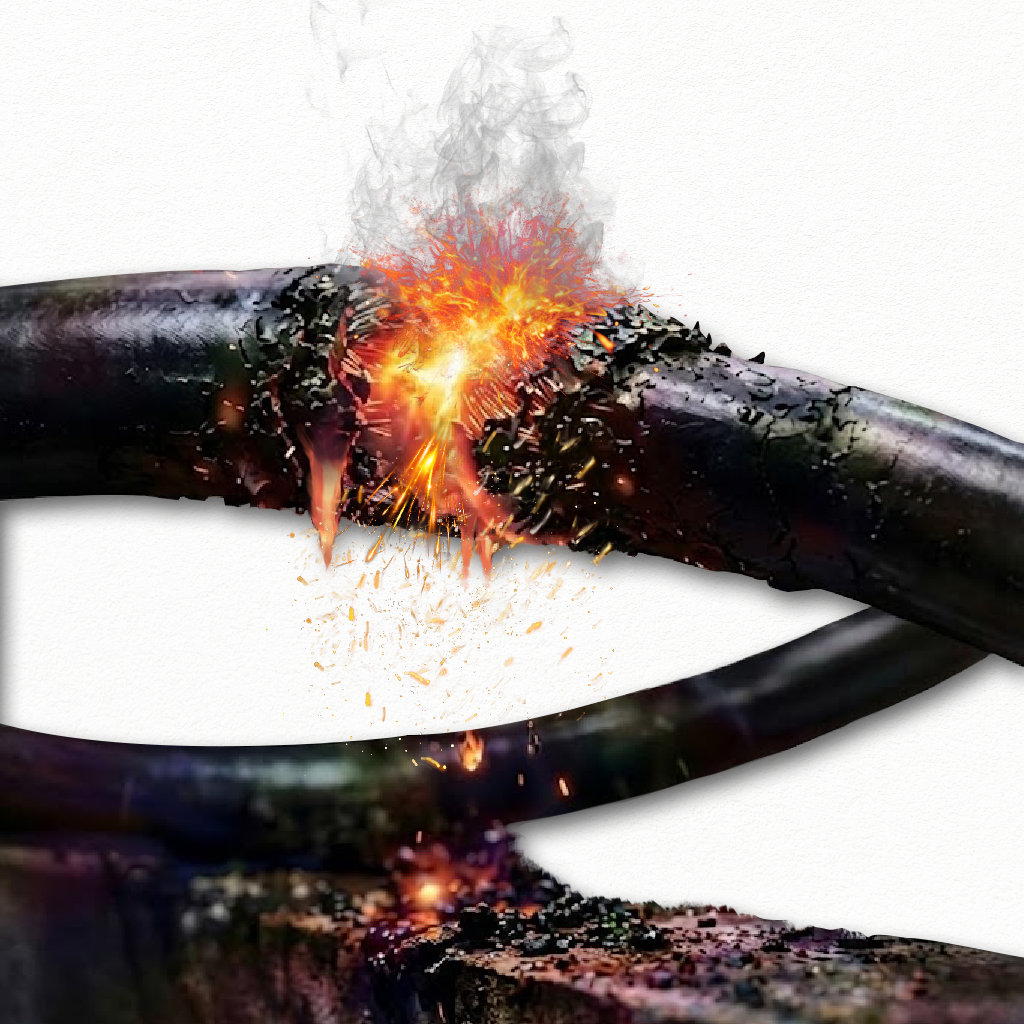
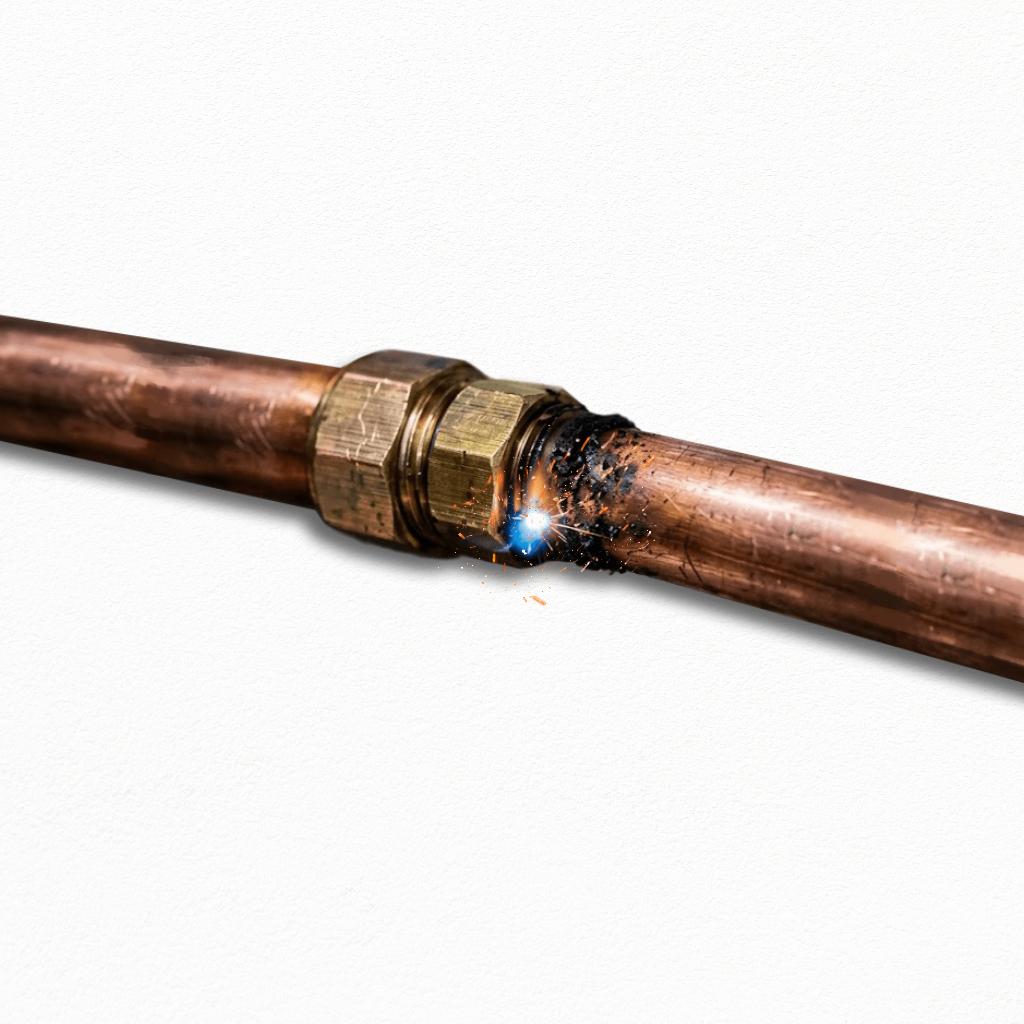
When a PEN conductor (combined protective earth and neutral) fails at the DNO level — for example, due to a broken neutral conductor on the supply network — the fault does not affect just one property. Instead, it simultaneously affects every dwelling connected to that riser.
What happens during a PEN fault in a high‑rise:
- The neutral return path is lost, causing return current to seek alternative routes
- Main protective bonding conductors throughout the building begin carrying diverted neutral current
- Gas pipes, water pipes, structural steelwork, and other metalwork become energised
- Touch voltages appear on taps, radiators, appliance casings, and metal door frames across multiple floors simultaneously
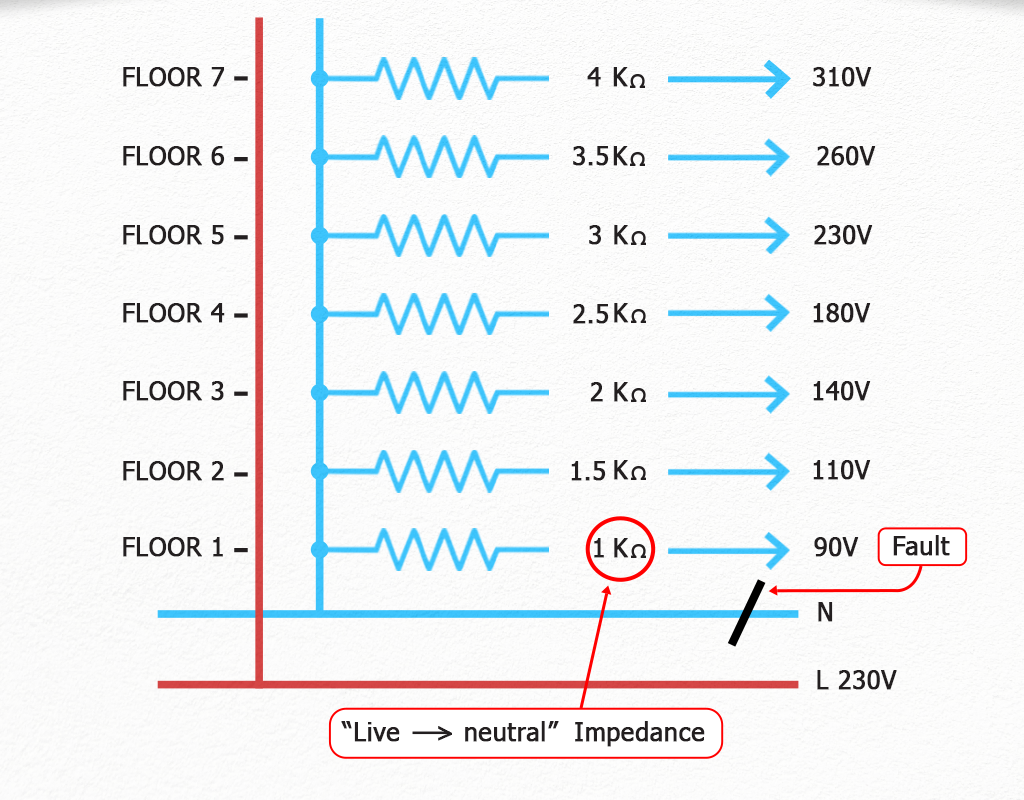
- Voltage imbalances cause some dwellings to experience over‑voltage (potentially 300–400V) while others see under‑voltage
Scale of Impact: A single neutral fault affecting a 20‑storey building with 8 flats per floor creates 160 simultaneous hazard zones. Each flat becomes a potential ignition point.
How Diverted Neutral Causes Ignition
Diverted neutral current flowing through bonding conductors, pipework, and structural elements generates heat through resistive losses. The severity depends on current magnitude, conductor cross‑sectional area, and connection integrity.
When a PEN conductor (combined protective earth and neutral) fails at the DNO level — for example, due to a broken neutral conductor on the supply network — the fault does not affect just one property. Instead, it simultaneously affects every dwelling connected to that riser.
Critical ignition mechanisms:
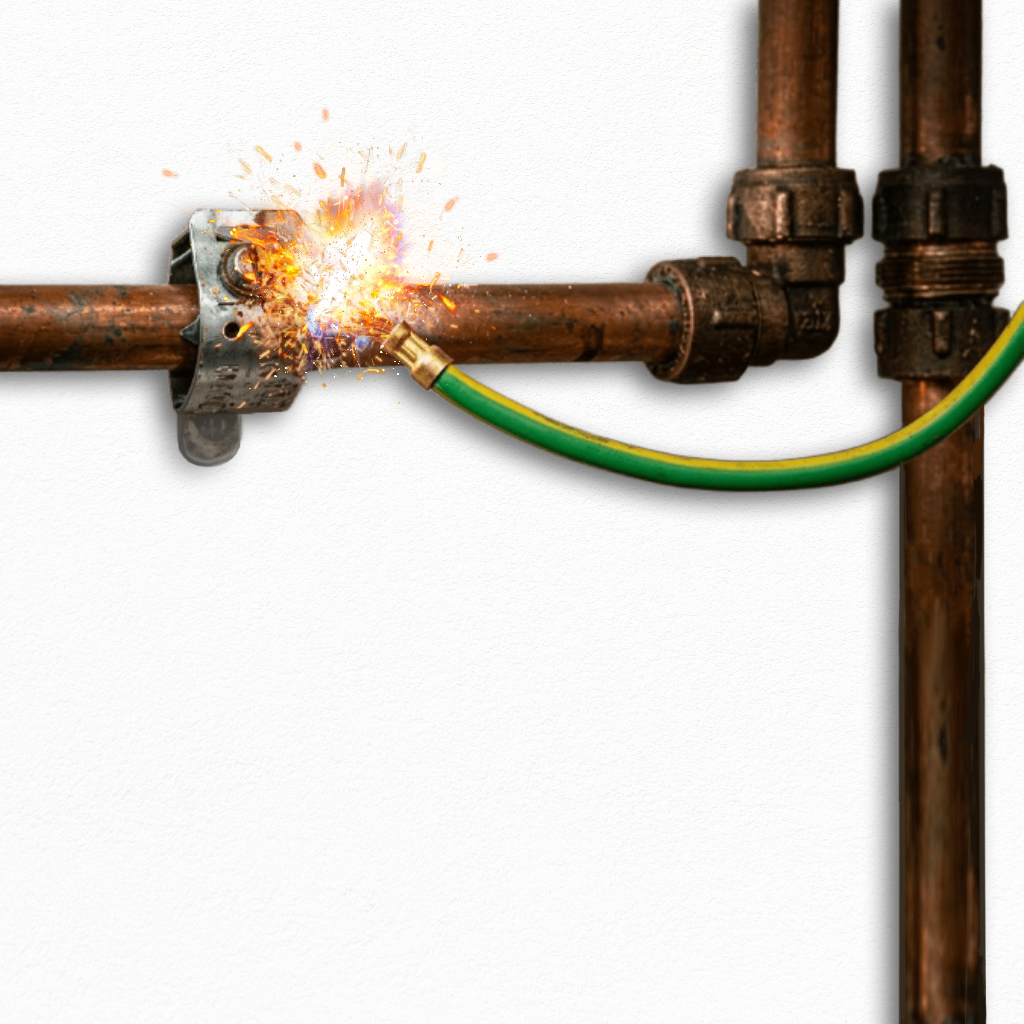
1. Resistive Heating at Poor Connections
Bonding conductor terminations that are:
- Corroded or oxidised
- Inadequately torqued
- Using dissimilar metals (creating galvanic corrosion)
- Undersized for the diverted current magnitude
…can generate localised temperatures exceeding 200–300°C — sufficient to ignite adjacent combustible materials including cable insulation, timber joists, and cavity insulation.
2. Arcing at Discontinuities
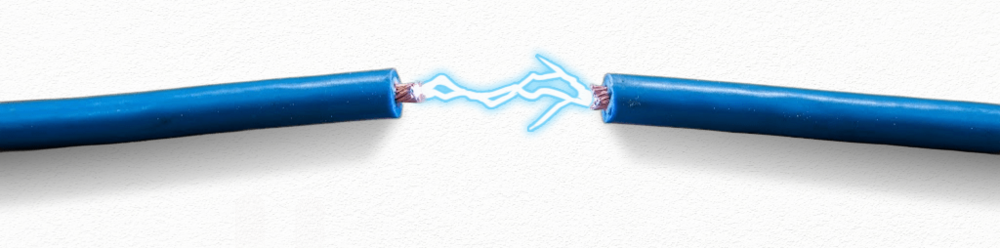
Where bonding conductors are routed through metal enclosures, conduits, or structural penetrations, poor or intermittent connections can create arcing conditions. Arcing introduces temperatures well in excess of 1000°C in localised spots — instantly igniting any nearby flammable materials.
3. Over‑Voltage Appliance Failure
In flats experiencing over‑voltage during a PEN fault:
- Electronic devices overheat and fail
- White goods (fridges, freezers, washing machines) can experience thermal runaway
- Lighting circuits, particularly LED drivers and transformers, may catch fire
- Phone chargers, TVs, and other consumer electronics become ignition sources
4. External Envelope Ignition
Many modern high‑rise buildings incorporate external cladding systems, insulated render, or composite panels to improve thermal performance. These materials are often fixed to:
- Metal support frames (which may become energised via bonding connections)
- Cavity battens that contact internal steelwork
- Ventilation grilles and service penetrations connected to bonded metalwork
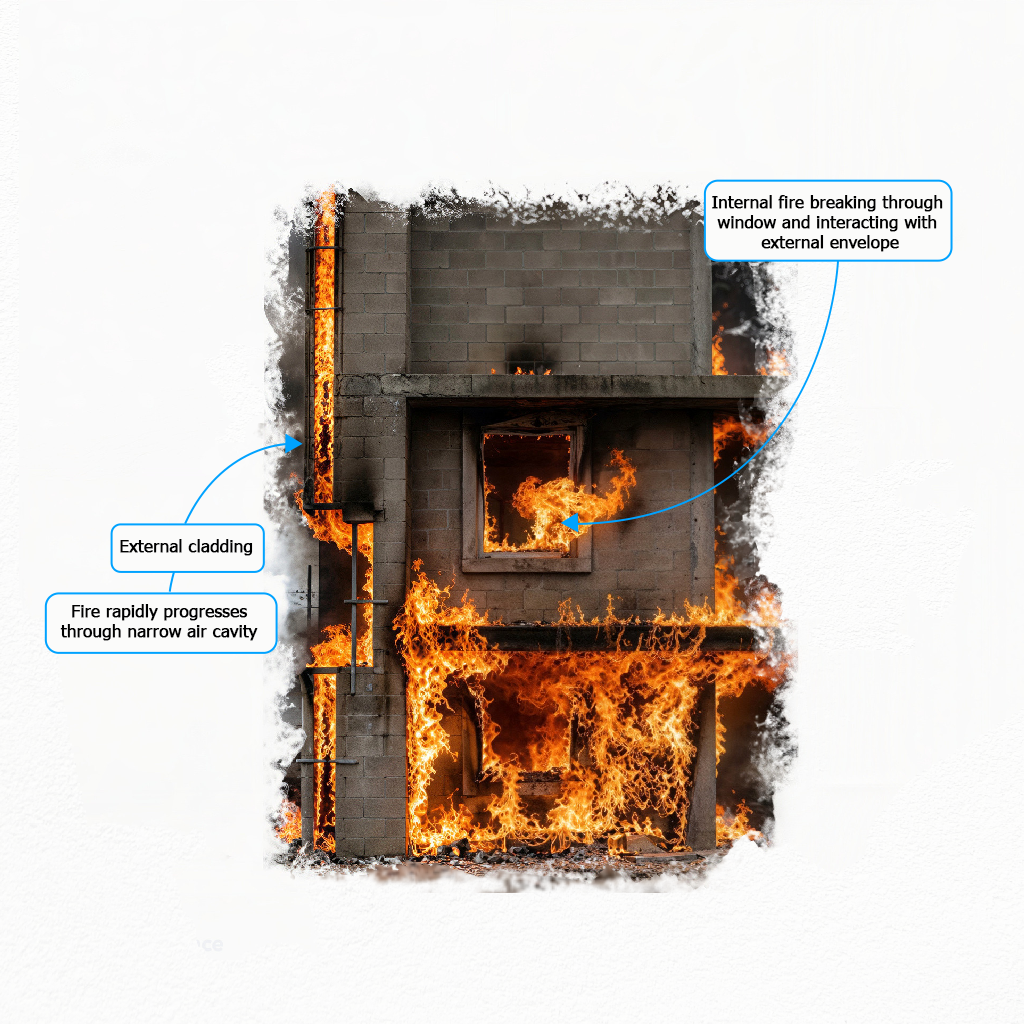
If diverted neutral current flows through these support structures and creates resistive heating or arcing at fixings, the combustible cladding or insulation materials positioned immediately adjacent can ignite.
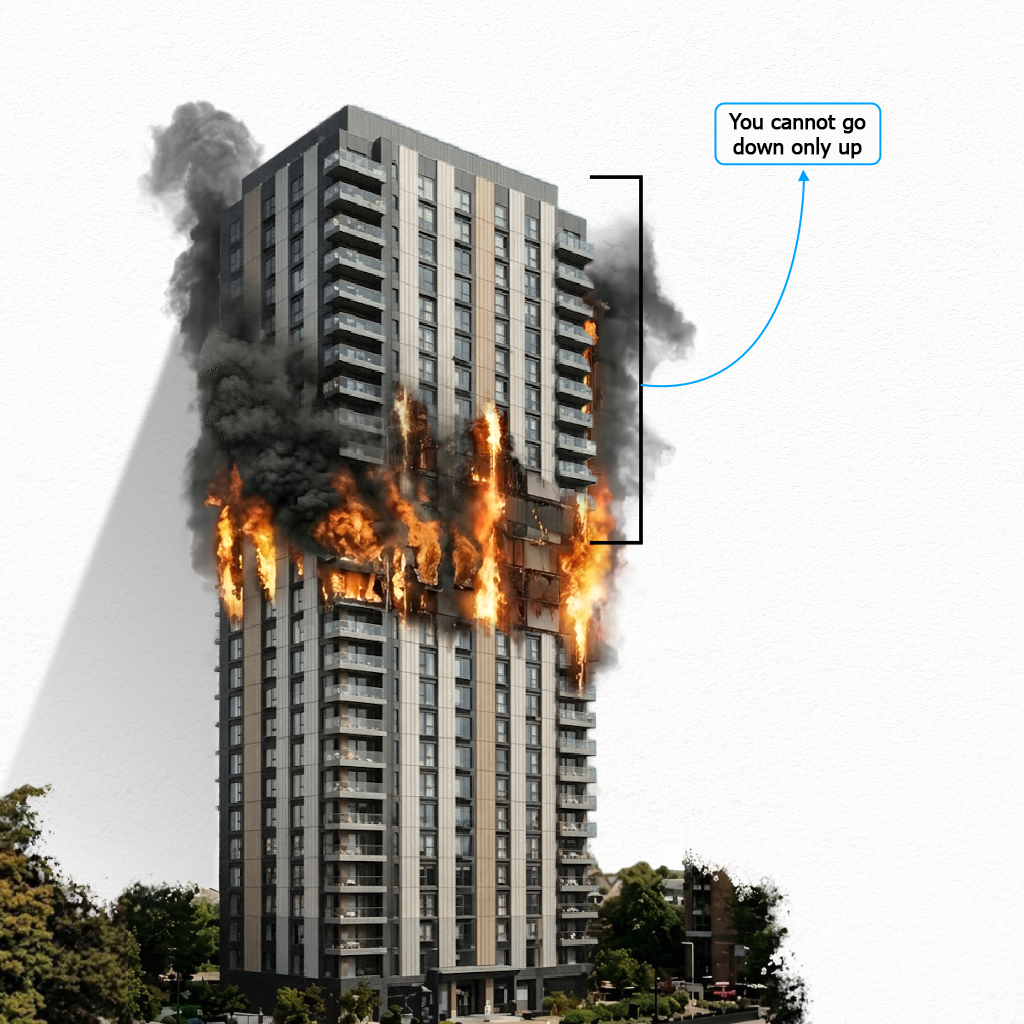
Once external cladding ignites, the fire spreads vertically on the building’s facade — bypassing internal fire compartmentation and exposing every floor to external flame impingement.
Catastrophic Failure Mode: External facade fires can propagate faster than occupants can evacuate, and faster than fire services can respond. Vertical fire spread on external cladding has been responsible for multiple‑fatality incidents in high‑rise buildings worldwide.
Why High‑Rise Buildings Are Particularly Vulnerable
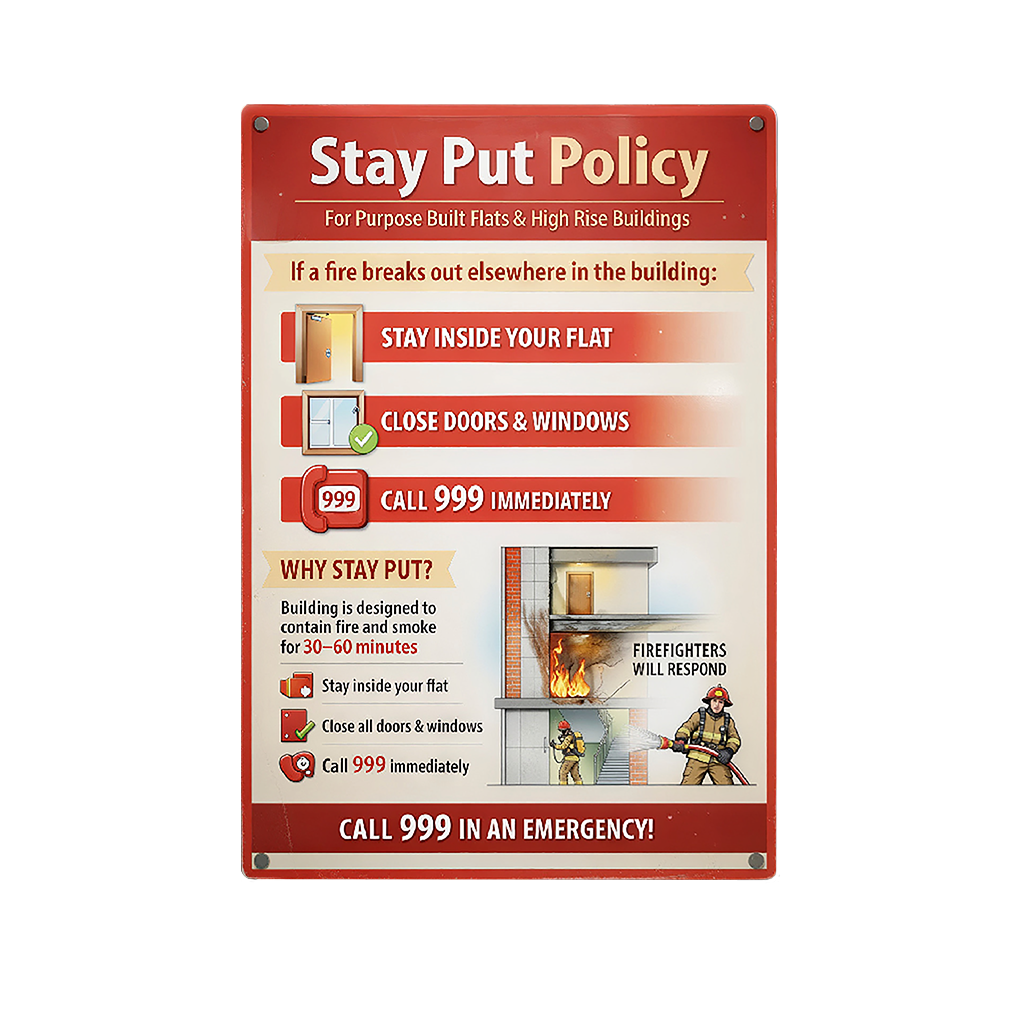
1. Stay‑Put Evacuation Strategy
Many high‑rise residential buildings are designed with a “stay‑put” fire safety strategy, predicated on effective compartmentation that contains fire to the flat of origin. Residents are instructed to remain in their flats unless directly affected.
This strategy fails catastrophically when:
⚠ Fire spreads externally via cladding, rendering compartmentation ineffective
⚠ Multiple ignition points occur simultaneously on different floors
⚠ Electrical faults disable lighting, alarms, or communication systems
2. Limited Escape Routes
High‑rise buildings typically have a single stairwell or limited escape stairs. If smoke or fire affects the stairwell — or if residents from multiple floors attempt evacuation simultaneously — the escape capacity is rapidly overwhelmed.
3. Firefighting Access Limitations
Fire service intervention in high‑rise buildings is constrained by:
- Ladder height limitations (typically 30–45 metres maximum)
- Water supply challenges at height
- Smoke‑logged stairwells preventing access
- External facade fires that cannot be accessed from inside the building
4. Delayed Detection
Diverted neutral current may exist for hours or days before ignition occurs. During this time:
- Bonding conductors heat gradually, degrading insulation and connections
- Residents may notice minor electrical anomalies (flickering lights, warm appliances) but not recognise the significance
- The fault may occur overnight when occupants are asleep
- Fire may initiate in concealed spaces (wall cavities, service risers, ceiling voids) where detection is delayed
Hypothetical Scenario: How a PEN Fault Could Cause a Facade Fire
The following is a realistic but hypothetical scenario illustrating how diverted neutral current could initiate and propagate a catastrophic fire in a high‑rise residential building.
Timeline
23:45 — Neutral conductor fails on DNO network
A corroded neutral connection fails at a street‑level joint box serving a 24‑storey residential tower. The PEN conductor is now open‑circuit.
23:46 — Diverted neutral current begins flowing
Return current from the building’s loads (lighting, refrigerators, heating systems, phone chargers) begins flowing through main protective bonding conductors and structural metalwork. Current magnitude: approximately 180A across all dwellings.
23:50 — Voltage imbalances develop
Flats on the upper floors experience over‑voltage (up to 350V phase‑to‑neutral). LED bulbs blow. A washing machine in Flat 18B begins overheating. Residents on lower floors notice dimmed lighting and flickering.
00:15 — Resistive heating at bonding connections
A main bonding conductor connection to structural steelwork in the 12th‑floor service riser has corroded over years of service. Now carrying 80A of diverted neutral current, the poor connection generates heat. The temperature at the termination reaches 180°C.
00:35 — Ignition in concealed cavity
The heated bonding conductor termination ignites cable insulation within a wall cavity adjacent to the external envelope. The cavity contains combustible insulation material. Flames spread within the cavity space, undetected.
00:50 — External cladding ignition
Fire breaches the cavity and reaches the external cladding system — a composite panel with a combustible core. The cladding ignites. Flames begin propagating vertically up the facade, driven by the chimney effect of the ventilated cavity.
00:55 — Vertical fire spread accelerates
External flames reach the 15th floor, then the 18th. Fire re‑enters the building through windows, igniting curtains and furnishings. Smoke alarms activate in multiple flats. Residents begin calling emergency services, reporting fires on different floors.
01:05 — Evacuation begins, but escape routes compromised
Residents attempt to evacuate via the single stairwell. Smoke from multiple floors fills the stairwell. Visibility drops. Some residents turn back to their flats. Others are trapped between floors.
01:15 — Fire service arrival
First appliances arrive on scene. The external facade is fully involved from the 10th to 20th floors. Ladder access is ineffective. Internal firefighting teams cannot reach upper floors due to smoke and heat in stairwells. The building is declared unsurvivable above the 12th floor.
Critical Insight: From initial neutral fault to unsurvivable conditions took just 90 minutes. The electrical fault — occurring outside the building and beyond any resident’s or building manager’s control — created the conditions for rapid, vertical fire spread that defeated all conventional fire safety measures.
Mitigation and Prevention
Preventing diverted neutral current from causing catastrophic fire in high‑rise buildings requires a multi‑layered approach involving DNO infrastructure, building electrical design, and active monitoring.
1. DNO Infrastructure Resilience
- Proactive inspection and replacement of aging neutral conductors
- Enhanced joint box and termination designs resistant to corrosion
- Redundant neutral paths in high‑density areas
2. Building‑Level Protection Systems
- Installation of automatic disconnection devices that detect neutral‑earth voltage anomalies and isolate the supply
- Current monitoring on main bonding conductors with alarm systems
- Temperature sensors on critical bonding terminations
- Regular thermal imaging surveys of electrical risers and bonding connections
3. Electrical Installation Standards
- Mandatory use of TT earthing systems (independent earth electrode, no reliance on PEN) in new high‑rise developments
- Upgraded bonding conductor sizing to handle fault currents safely
- Segregation of bonding systems to prevent single‑point‑of‑failure scenarios
- High‑integrity terminations using corrosion‑resistant materials and anti‑vibration fixings
4. Building Envelope Fire Performance
- Use of non‑combustible cladding and insulation materials in high‑rise construction
- Cavity barriers to prevent vertical fire spread within facade systems
- Fire‑resistant sealing of service penetrations through external walls
5. Resident and Building Manager Awareness
- Education on recognising electrical anomalies (flickering lights, warm metalwork, unexplained appliance failures)
- Clear reporting channels for residents to alert building managers or DNOs to suspected electrical faults
- Emergency response plans that account for electrical‑origin fires affecting multiple floors
Regulatory Action Required: Current building regulations and electrical standards in many jurisdictions do not adequately address the combined risk of diverted neutral current and combustible cladding in high‑rise buildings. Urgent regulatory review and updated technical standards are essential.
Conclusion
Diverted neutral current represents a systemic risk in high‑rise residential buildings — a risk that exists at the intersection of DNO infrastructure, building electrical design, and building envelope construction. When these systems interact under fault conditions, the potential for rapid, catastrophic fire is real and has been demonstrated in tragic loss‑of‑life incidents internationally.
Protecting high‑rise residents requires recognition that electrical faults originating outside the building can create ignition conditions inside and on the facade of the building — and that traditional fire safety strategies predicated on compartmentation and stay‑put policies may fail when fire spreads externally.
The electrical industry, DNOs, building control authorities, fire safety professionals, and policymakers must work collaboratively to:
- Identify and remediate vulnerable high‑rise buildings
- Implement monitoring and protection systems
- Mandate non‑combustible materials in high‑rise facade construction
- Develop emergency response protocols that account for electrical‑origin multi‑floor fires
Final Thought: Every high‑rise building relying on a TN‑C‑S earthing system with combustible external cladding is potentially one neutral fault away from a catastrophic fire. The question is not whether such faults can occur — they can, and they do — but whether we have the foresight and commitment to implement the protections necessary to prevent loss of life.